
Learning Mathematics
A Counterexample Can Disprove a Rule Without Replacing It
Use counterexamples to test universal claims, distinguish disproving from proving, and help learners revise a rule precisely.

Learning ideas for students, families and educators.
Use counterexamples to test universal claims, distinguish disproving from proving, and help learners revise a rule precisely.

Plan a simple school investigation by defining the changed variable, consistent starting conditions and the observation you will measure.
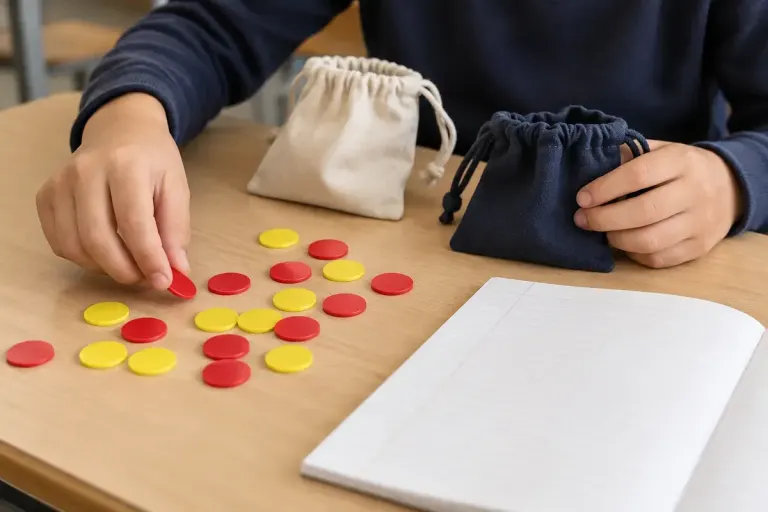
Use a two-draw counter example to see why probability branches change when the first item is not put back.

Compare two small fictional datasets with the same mean, then use their ranges to discuss what an average leaves out.
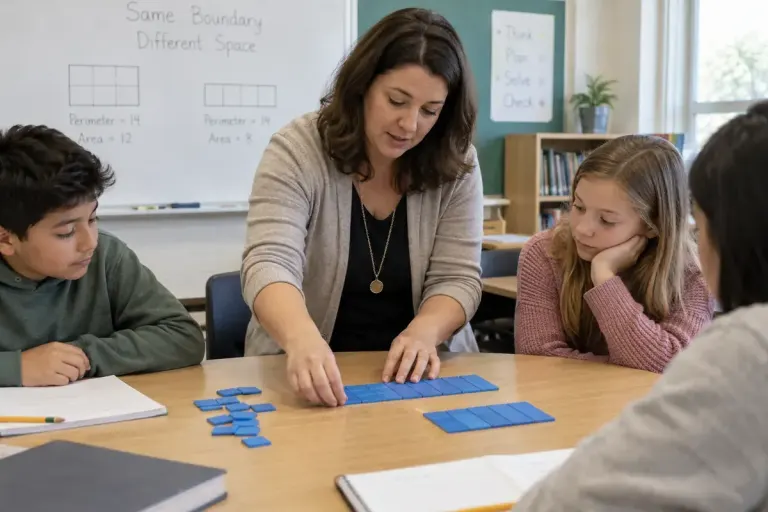
Use square tiles to show children why shapes with the same perimeter can cover different areas, then separate counting boundaries from counting space.
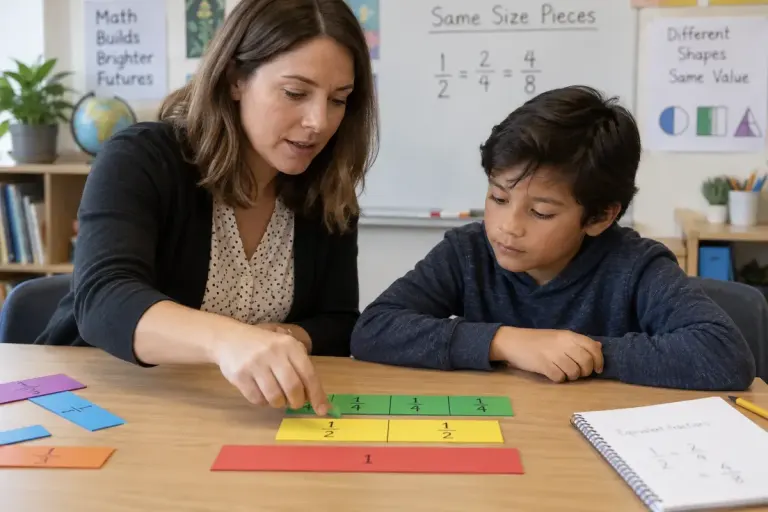
Compare fractions using equal-sized wholes and a common denominator so the reasoning is visible instead of relying on the largest number.
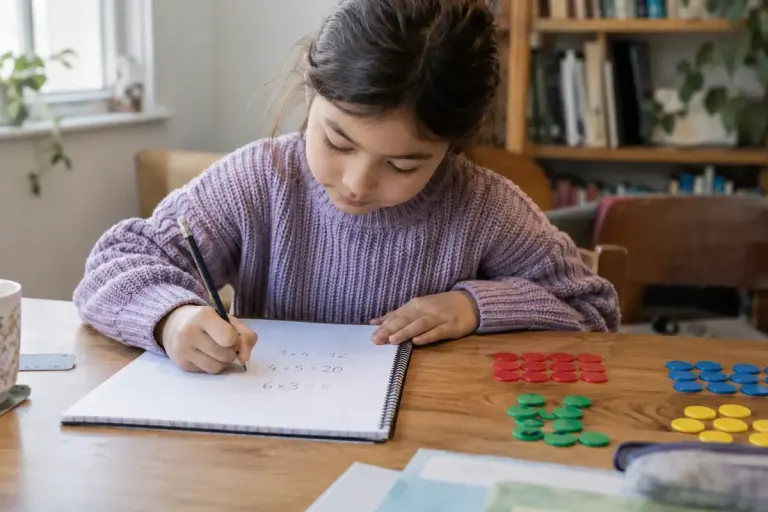
Use a concrete example and a number-line check to understand why subtracting a bracketed group affects every term inside it.

Use a rough estimate before calculating to catch misplaced decimals and implausible answers, then explain why the exact result should sit near your prediction.
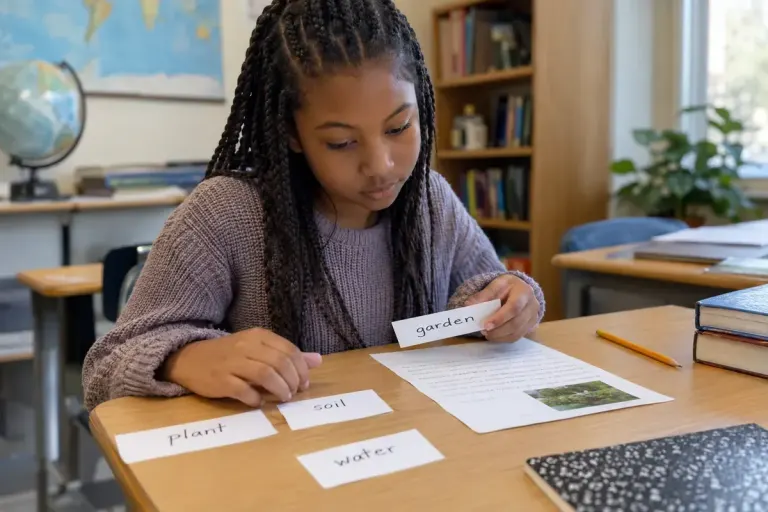
Build word knowledge with contrasting examples, sentence context and a small explanation of why a word fits one situation but not another.