Learning Mathematics
A Common Factor and a Common Multiple Solve Different Grouping Problems
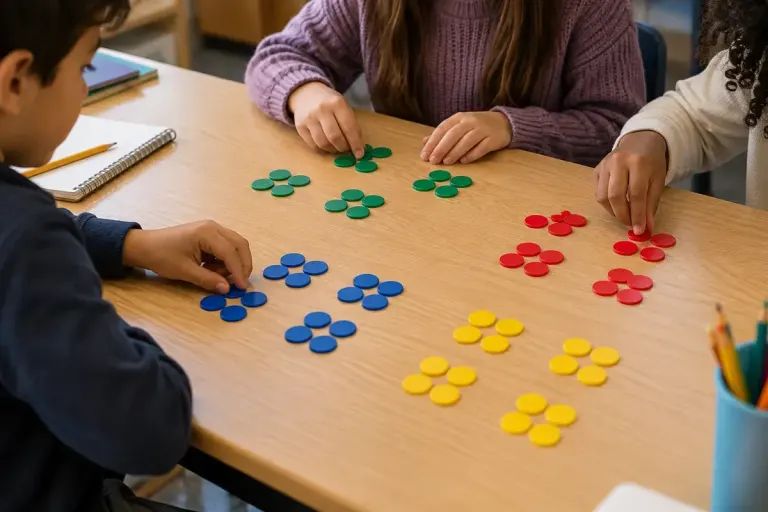
Use equal groups and repeating schedules to distinguish common factors from common multiples, with small examples learners can check themselves.

Learning ideas for students, families and educators.
Use equal groups and repeating schedules to distinguish common factors from common multiples, with small examples learners can check themselves.

Learn why two class averages cannot always be averaged equally, using a worked example that keeps each group’s number of pupils visible.
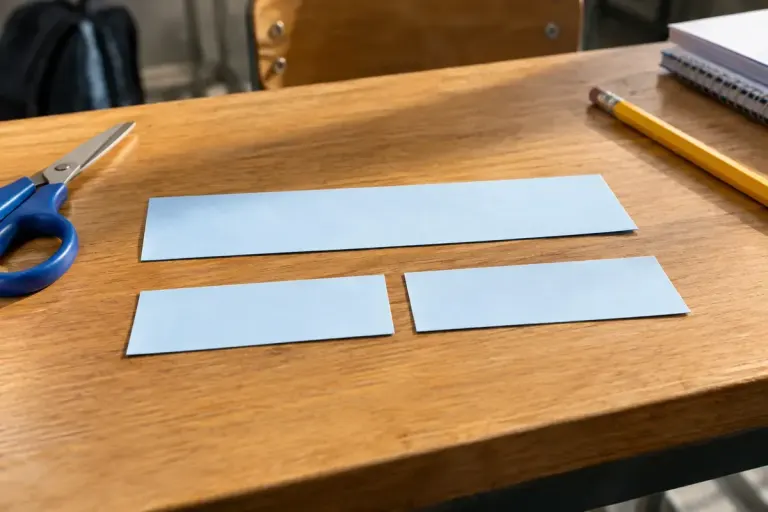
Use paper strips to see why dividing by one half gives twice as many pieces, then connect the picture to the reciprocal calculation.
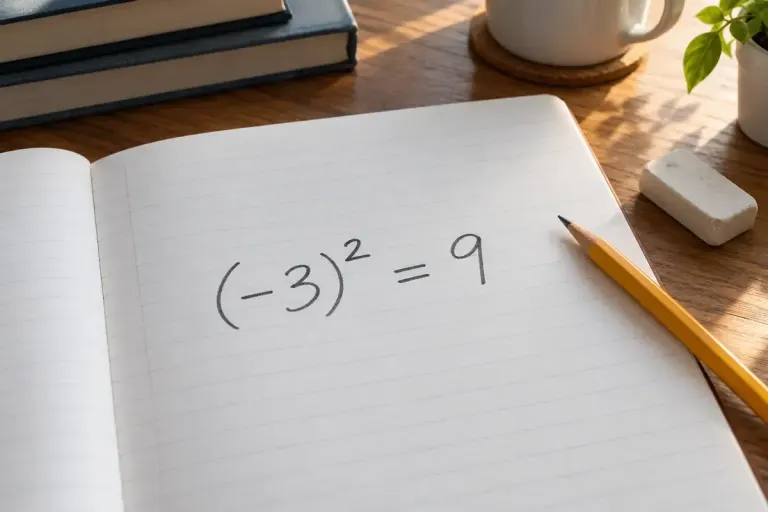
Work through the difference between a squared negative number and a negative sign outside a square, using brackets to identify the base.

Help children classify squares and rectangles by their properties, using paper shapes, right angles and a simple sorting activity.
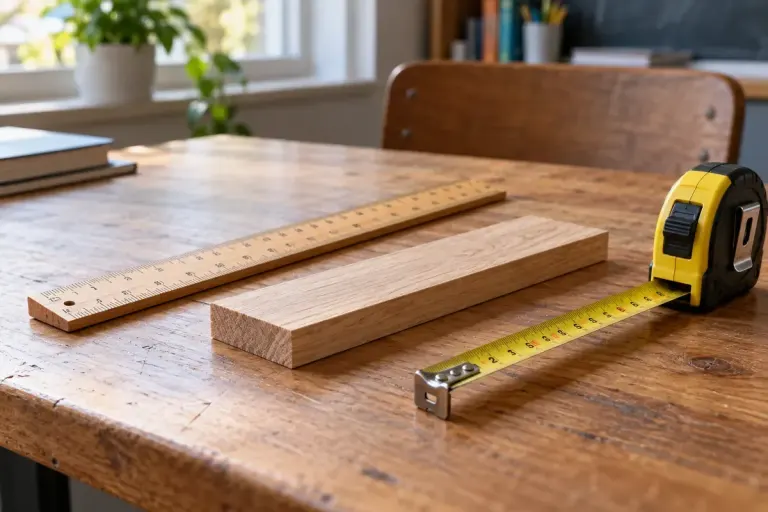
Use a measured ribbon and a simple conversion example to show why changing from metres to centimetres changes the number, not the object.
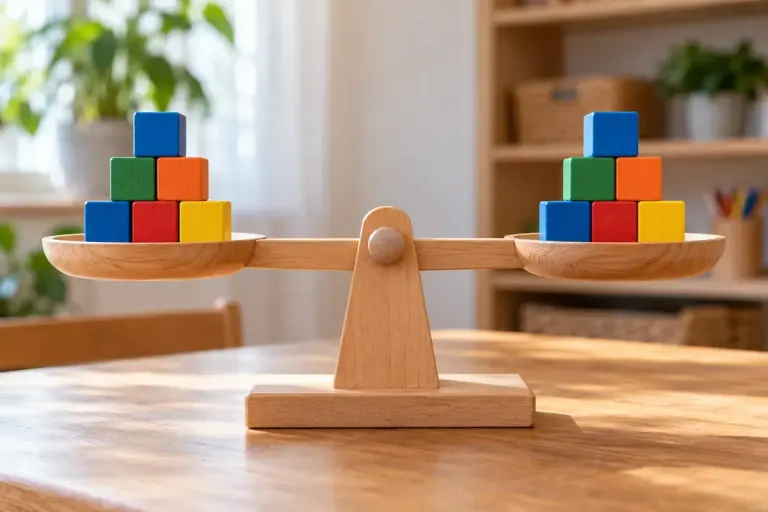
Use counters and varied number sentences to help a learner see the equals sign as a relationship between two values.

Zero is even because it can be divided into two equal whole-number groups with none left over. Use pairs to make the idea visible to a learner.

See why multiplying an inequality by a negative number reverses its direction, using a number-line example and a substitution check.