
Learning Mathematics
A Ratio Table Keeps the Same Relationship Across Different Quantities
Build a ratio table from repeated groups, keeping both quantities in proportion instead of adding the same number to each side.

Learning ideas for students, families and educators.
Build a ratio table from repeated groups, keeping both quantities in proportion instead of adding the same number to each side.
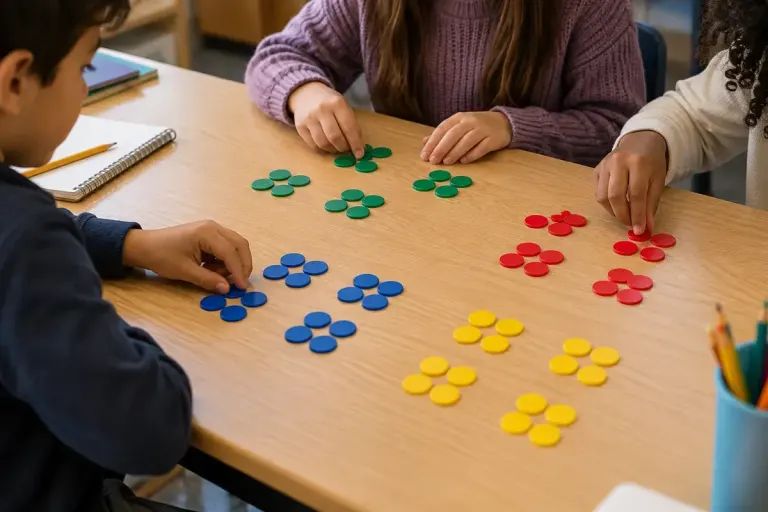
Use equal groups and repeating schedules to distinguish common factors from common multiples, with small examples learners can check themselves.
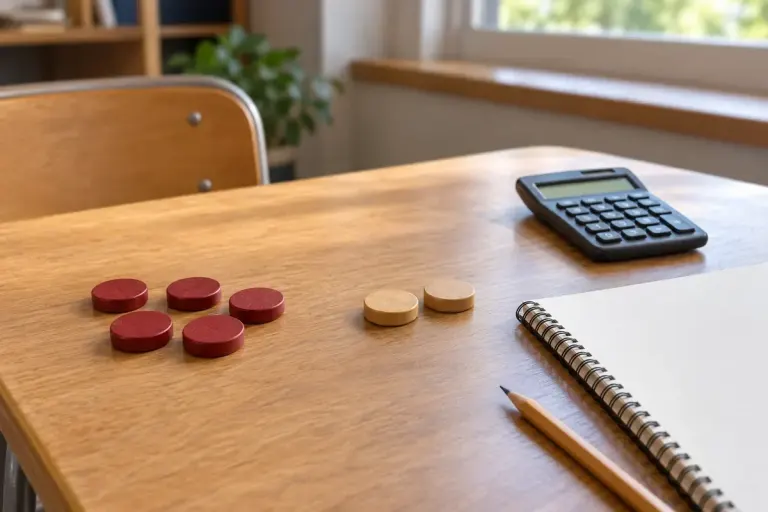
Learn why two class averages cannot always be averaged equally, using a worked example that keeps each group’s number of pupils visible.
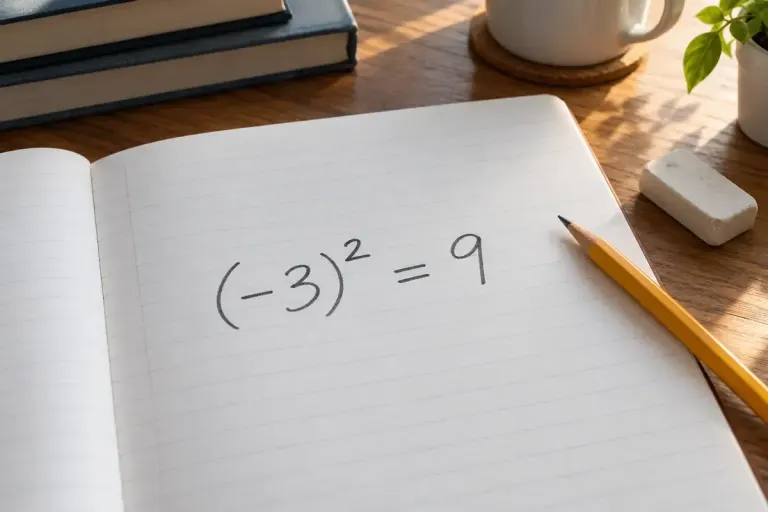
Work through the difference between a squared negative number and a negative sign outside a square, using brackets to identify the base.
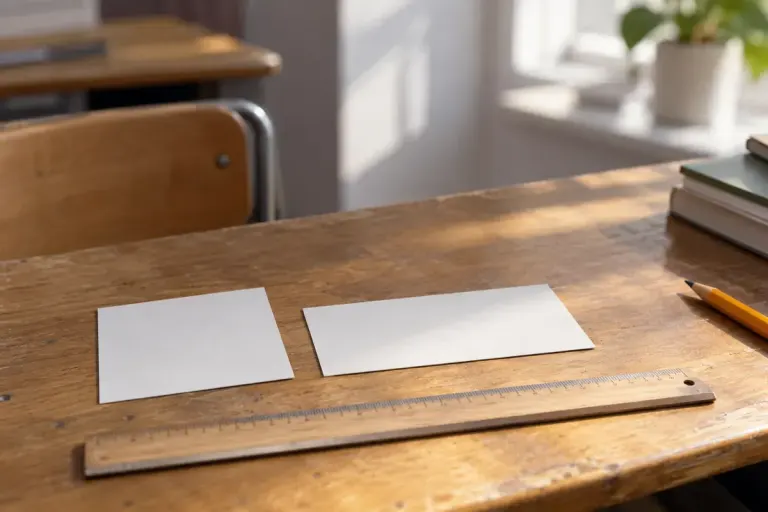
Help children classify squares and rectangles by their properties, using paper shapes, right angles and a simple sorting activity.
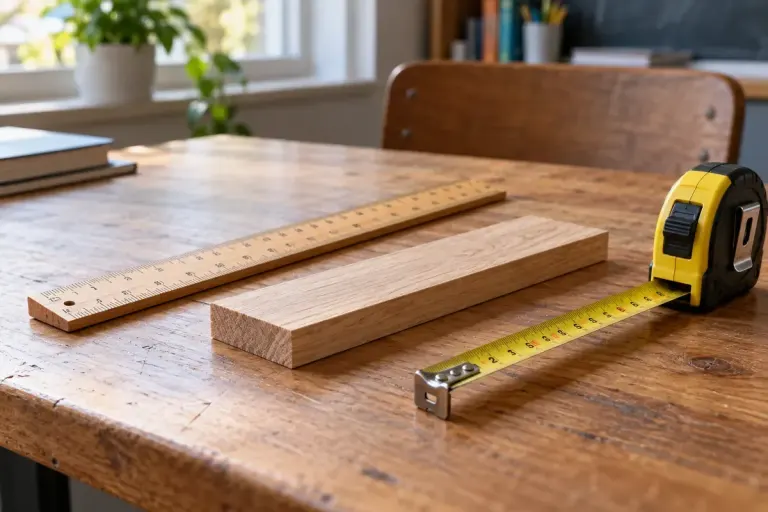
Use a measured ribbon and a simple conversion example to show why changing from metres to centimetres changes the number, not the object.
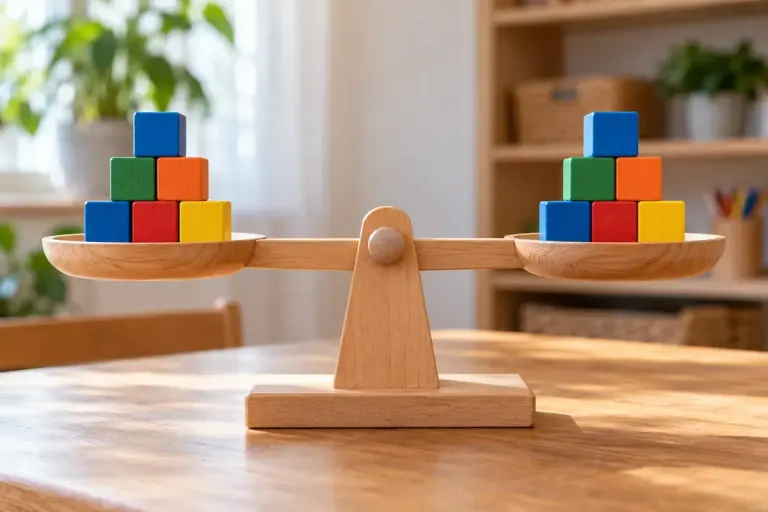
Use counters and varied number sentences to help a learner see the equals sign as a relationship between two values.
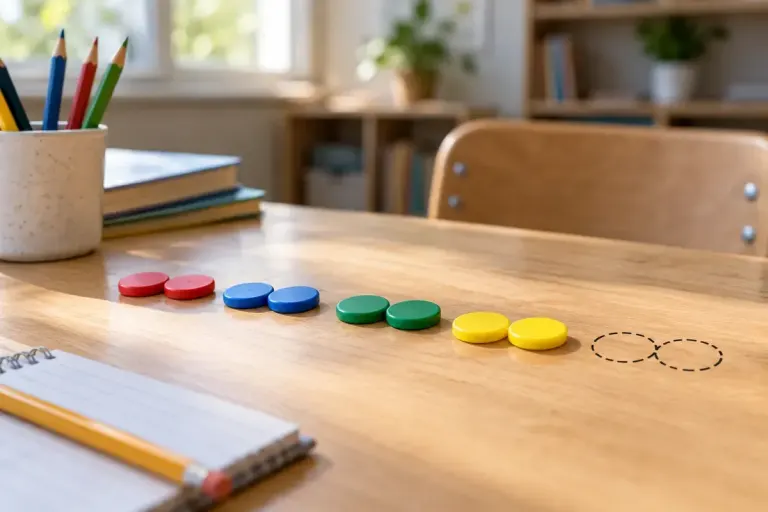
Zero is even because it can be divided into two equal whole-number groups with none left over. Use pairs to make the idea visible to a learner.

Use counterexamples to test universal claims, distinguish disproving from proving, and help learners revise a rule precisely.