Everyday Mathematics
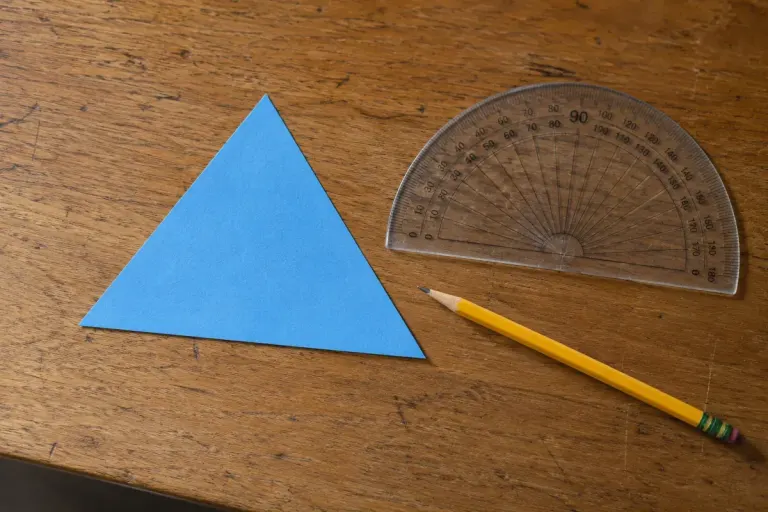
Why a triangle’s angles add to 180 degrees on a flat surface
Use a paper triangle to explore the 180-degree angle sum, then connect the observation to a parallel-line argument that explains why it works.

Learning ideas for students, families and educators.
Use a paper triangle to explore the 180-degree angle sum, then connect the observation to a parallel-line argument that explains why it works.
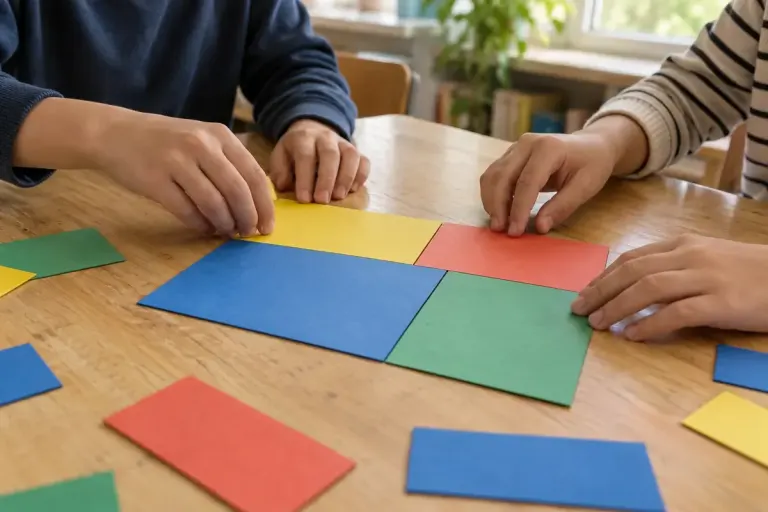
Use paper shapes to distinguish turning symmetry from mirror symmetry and explain why one test does not replace the other.
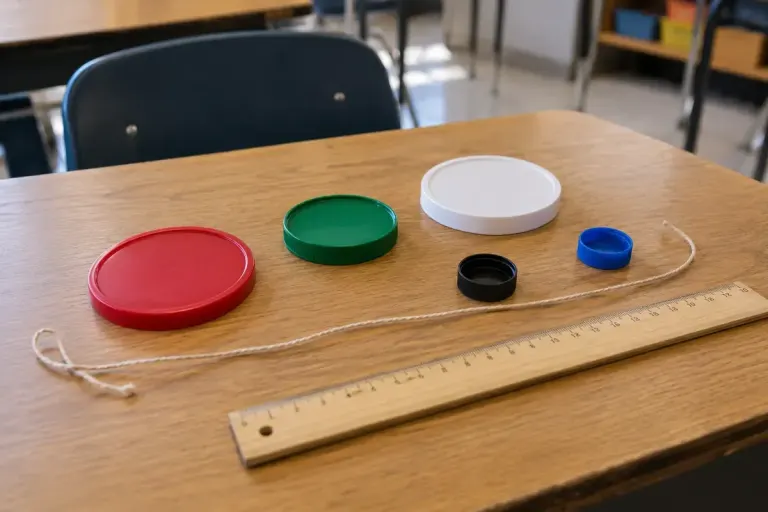
Compare circular lids to see why circumference divided by diameter approaches the same number. A practical activity separates pi from measurement error.
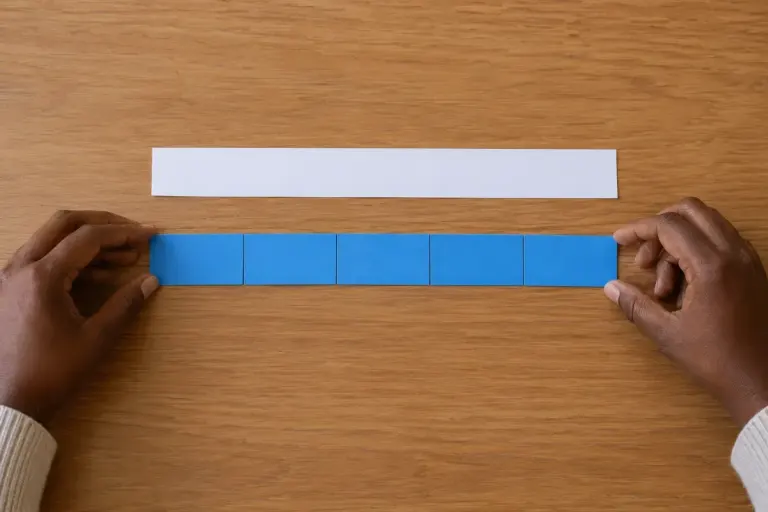
Use equal paper strips to explain addition with matching denominators, showing that the number of pieces changes while the size of each piece stays the same.

A run of heads does not make tails due on the next independent toss. Use a small classroom example to separate a sequence from the next event.
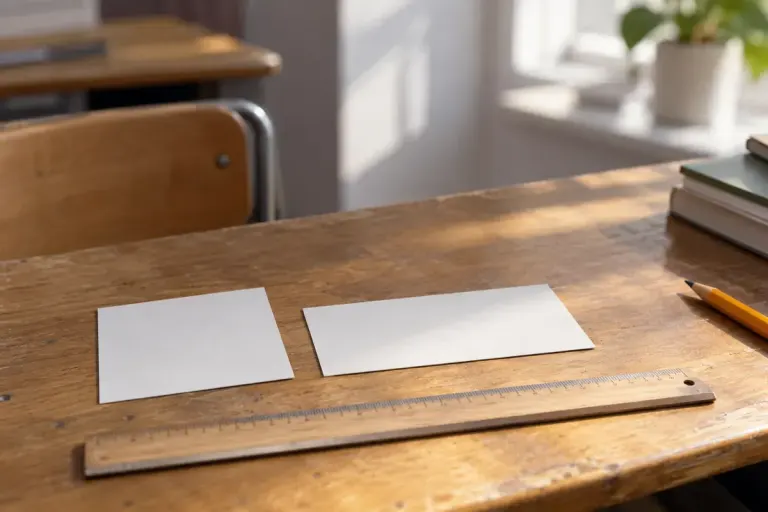
Help children classify squares and rectangles by their properties, using paper shapes, right angles and a simple sorting activity.
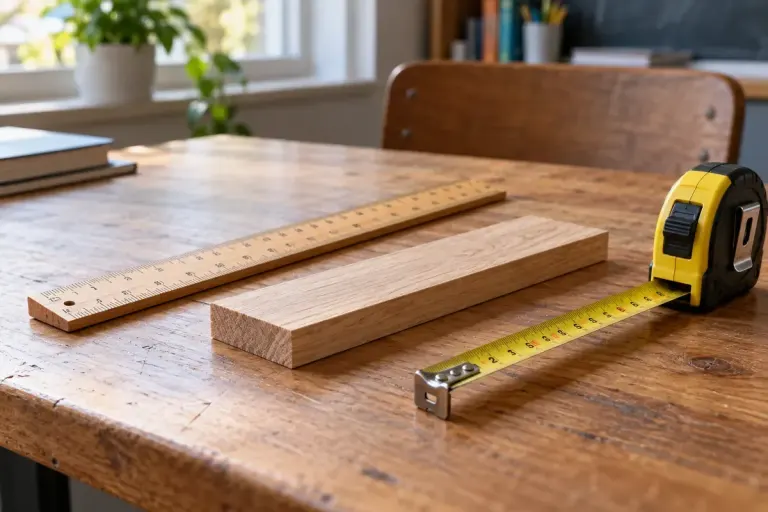
Use a measured ribbon and a simple conversion example to show why changing from metres to centimetres changes the number, not the object.
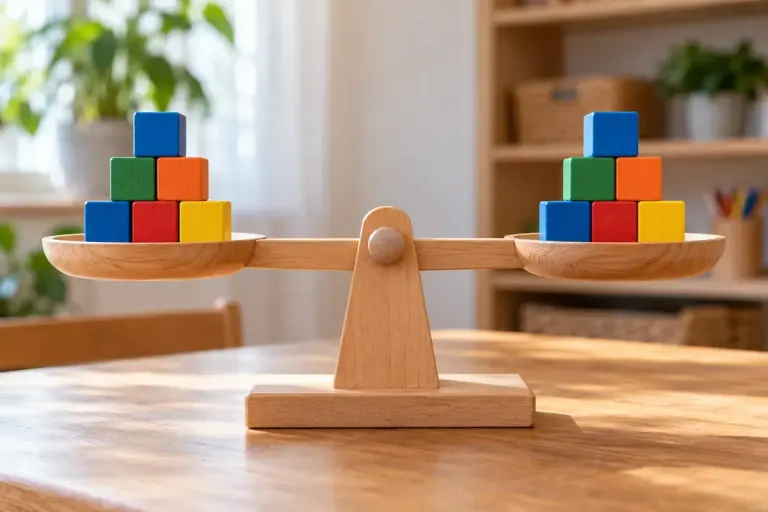
Use counters and varied number sentences to help a learner see the equals sign as a relationship between two values.
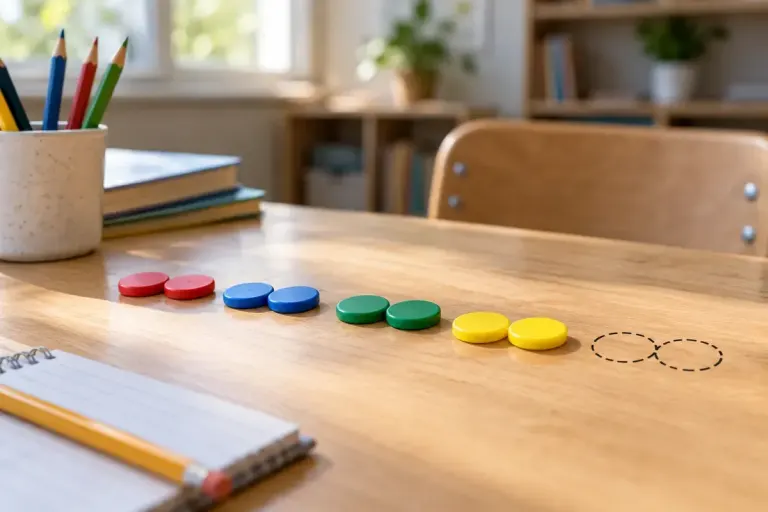
Zero is even because it can be divided into two equal whole-number groups with none left over. Use pairs to make the idea visible to a learner.